
Southern California is experiencing a relentless storm season in February 2026, with back-to-back atmospheric river systems causing flash flooding, mudslides, and widespread property damage across Los Angeles, Ventura, San Bernardino, and Orange counties, making it critical for homeowners, landlords, and business owners to understand how insurance responds to storm-related water damage and what steps to take to protect their claims.
Why February 2026 Has Been Especially Destructive
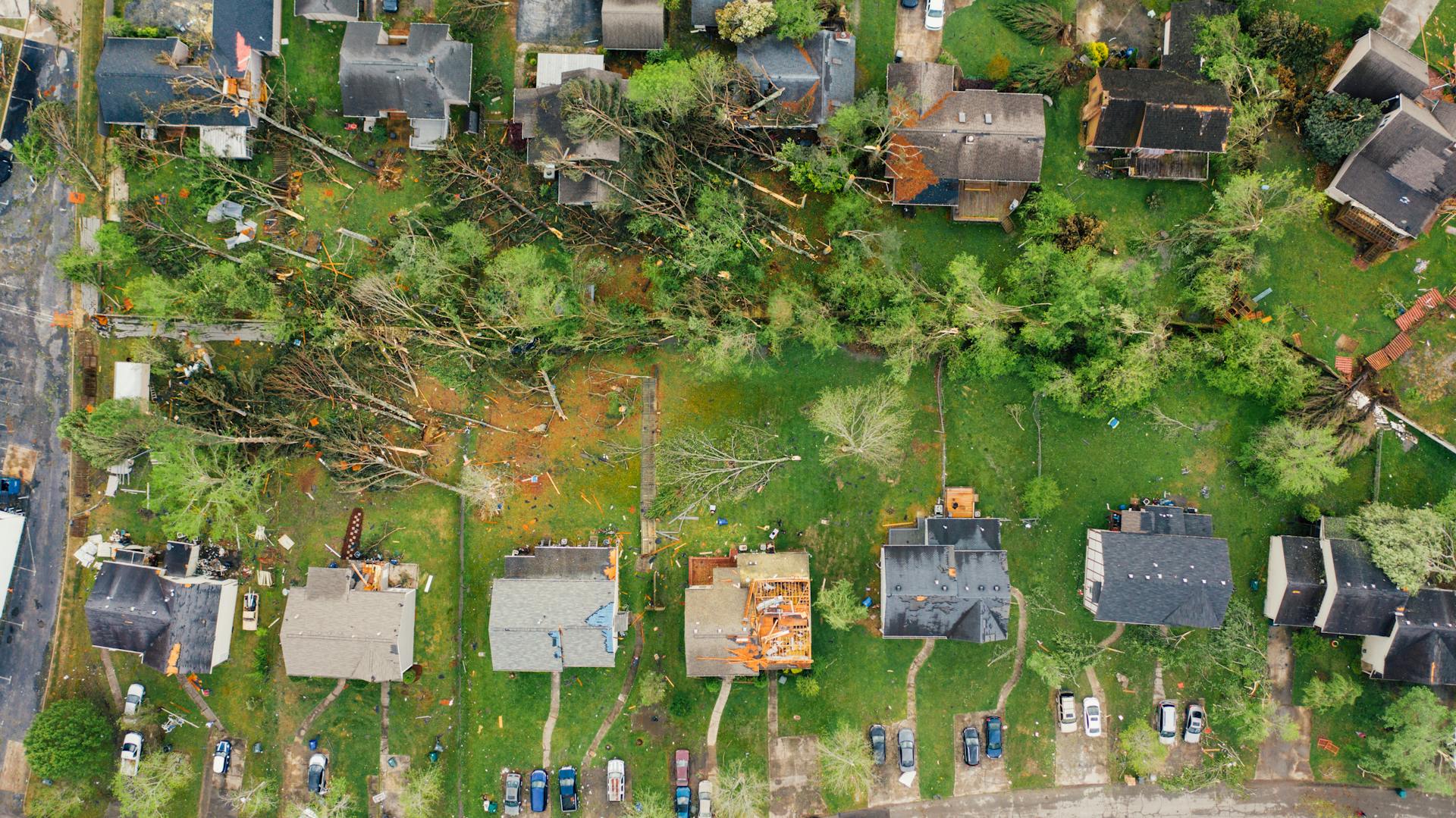
California experiences atmospheric rivers every winter, but the intensity and frequency of the February 2026 storms have created conditions that even well-maintained properties cannot withstand. Multiple atmospheric river systems have arrived within days of each other, saturating soil, overwhelming drainage systems, and triggering flash floods and debris flows across Southern California.
On Monday, February 16, the National Weather Service issued flash flood warnings for parts of Los Angeles County, including the Palisades and Eaton fire burn scars. The storm brought rainfall rates exceeding one inch per hour, potential tornadoes, and wind gusts up to 60 mph. Los Angeles International Airport experienced a temporary ground stop due to thunderstorms, and evacuation orders remained in effect for burn scar areas through Tuesday evening.
The flooding has been widespread. At least 11 million people across California were under flood watch as of Monday, February 16, with forecasts calling for up to 4 inches of rain in coastal and valley areas and as much as 7 inches in the foothills and mountains. Burn scar areas face a significant threat of mudslides as rainfall accumulates on ground that has been stripped of vegetation and rendered water-repellent by wildfire.
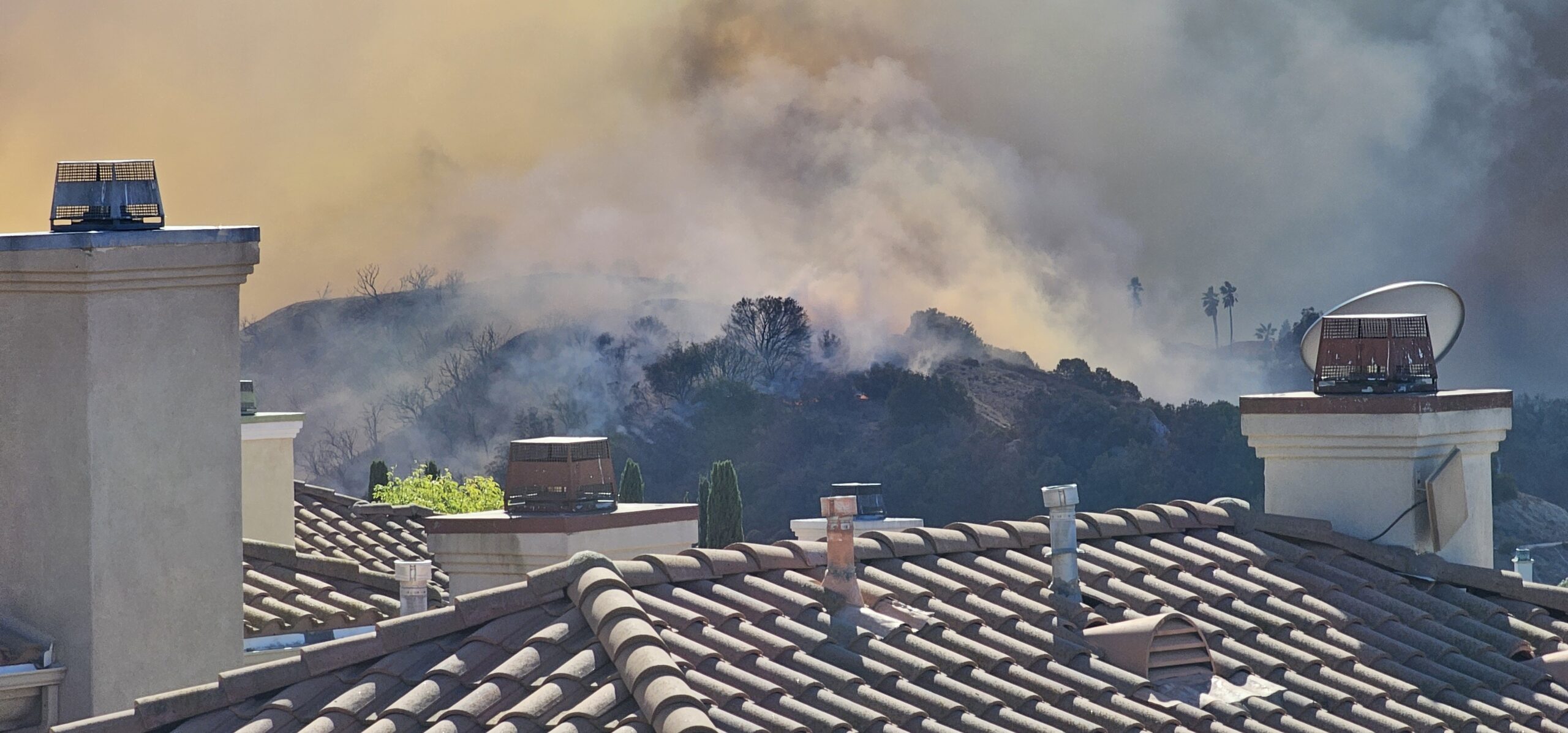
The combination of wildfire-damaged watersheds and unusually heavy rain creates a unique and dangerous risk for California property owners in 2026. Properties near the Palisades Fire burn zone, the Eaton Fire area, and other recent wildfire perimeters are especially vulnerable to debris flows. Storm runoff can carry ash, mud, sediment, and debris directly toward structures, overwhelming drainage systems and flooding homes and businesses that would not normally be at risk.
For more context on wildfire-related storm risks, see our Southern California Wildfire Recovery page.
California Started 2026 With Historic Flooding
The February storms are the latest in a series of atmospheric rivers that have pummeled California since the start of the year. On New Year’s Day 2026, Southern California experienced severe flooding when the San Diego River overflowed, inundating parts of Mission Valley and trapping vehicles in floodwaters. Multiple water rescues were conducted throughout the day as the region received over 2 inches of rain in a matter of hours.
Around Christmas 2025, a powerful atmospheric river brought three days of heavy downpours that spawned flash flooding and mudslides across Southern California. The town of Wrightwood in the San Gabriel Mountains was particularly hard hit, with several dozen homes heavily damaged by rivers of mud. Residents described standing on hardened mud mounds that had poured through their homes during the height of the storm.
When soil is already saturated from one storm and another system arrives days later, water has nowhere to go. Hillside homes experience runoff and erosion. Flat properties see pooling and drainage failures. Commercial buildings with flat roofs face ponding water and membrane stress. And the cycle repeats with each new storm.

What Types of Storm Damage Are Covered by California Homeowners and Commercial Policies
Not all water damage is created equal in the eyes of insurance companies. Coverage depends on how the water entered your property and what caused the intrusion. Understanding these distinctions is critical when filing a claim.
| Type of Water Intrusion | Typically Covered? | What You Need to Know |
|---|---|---|
| Wind-Driven Rain Through Damaged Roof | Yes | Must prove storm caused the opening, not pre-existing wear |
| Water Through Windows/Doors During Storm | Often | Depends on whether entry was storm-force or pre-existing seal failure |
| Ground-Level Flooding (Rising Water) | No | Requires separate flood insurance (NFIP or private policy) |
| Sewer/Drain Backup During Storm | Depends | May be covered if you have sewer backup endorsement |
| Debris Flow in Burn Scar Areas | Varies | Some policies cover as mudslide/landslide; others exclude entirely |
| Slab Leak During Heavy Rain | Disputed | Insurers often claim age-related; timing and soil conditions matter |
1. Wind-Driven Rain and Roof Damage
If high winds during a storm damage your roof, allowing rain to enter, this is typically a covered loss. Wind-driven rain that enters through a damaged roof, broken window, or torn flashing is considered sudden and accidental. Your policy should cover both the roof repair and the interior water damage that results.
However, insurers frequently dispute whether the entry point was caused by the storm or by pre-existing wear. If your roof was already compromised before the storm, the carrier may argue that the damage is related to maintenance rather than a covered event. This is where documentation and expert assessment become essential.
2. Water Intrusion Through Windows, Doors, and Exterior Walls
Storm-force winds can push water through window seals, door frames, and stucco cracks that would not normally leak under typical rain conditions. If the intrusion occurred because of the intensity of the storm, it is often covered. If the insurer argues the windows or seals were already failing, they may attempt to deny coverage.
3. Flooding vs. Water Damage
This is one of the most misunderstood distinctions in property insurance. Flooding, defined as water that enters from the ground level due to rising water or overflowing waterways, is typically excluded from standard homeowners and commercial policies. Flood coverage requires a separate policy, often through the National Flood Insurance Program.
However, water that enters from above due to roof failure, or water that backs up from a drain or sewer during a storm, may be covered under your standard policy depending on your endorsements and coverage extensions. It is critical to understand which type of water intrusion occurred.
For more detail on flood-related claims, see our Flood Damage Insurance Claims page.
4. Debris Flows in Burn Scar Areas
Properties near recent wildfire burn scars face a threat that most California homeowners never anticipated: debris flows. When wildfires strip hillsides of vegetation and alter soil composition, the land becomes as water-repellent as pavement. Heavy rain cannot be absorbed and instead rushes downhill, picking up mud, rocks, trees, and debris as it moves.
According to the U.S. Geological Survey, debris flows are like a flood on steroids. They move fast, carry enormous weight, and can destroy structures in their path. Insurance coverage for debris flow damage depends on how the policy defines the cause of loss. Some policies may cover debris flow as part of mudslide or landslide coverage, while others may exclude it entirely.
5. Slab Leaks and Foundation Movement
Heavy rain can shift soil around foundations, creating pressure on slab foundations and underground plumbing. Slab leaks are among the most contested water damage claims in California. Insurers frequently argue that slab leaks result from age or deterioration rather than storm-related ground movement.
If a slab leak appears during or immediately after heavy rain, especially in areas with saturated soil or hillside properties, there may be a direct connection to the storm event. Documentation of timing and soil conditions is critical.
6. Drainage System Failures
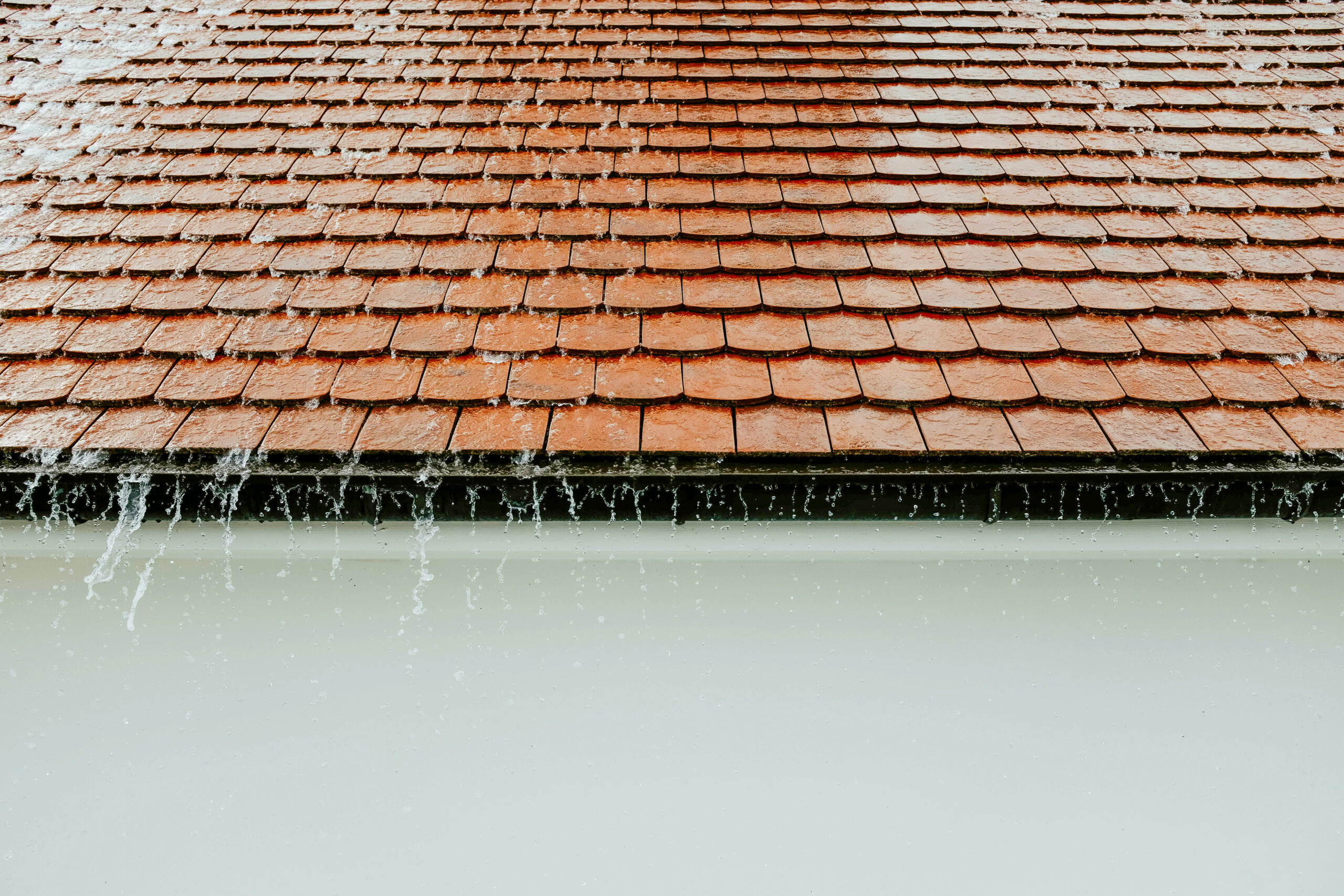
When gutters, downspouts, or yard drains become overwhelmed during heavy rain, water can pool against foundations, enter crawl spaces, or saturate walls. If the drainage system was functioning properly before the storm but was simply overwhelmed by the volume of water, this may be a covered loss.
Insurers often argue that drainage issues are maintenance-related or the result of poor grading. Proving that the system was adequate for normal conditions but failed under extreme storm conditions requires careful documentation and expert analysis.

Where Insurance Companies Push Back on Storm Claims
Storm and water damage claims are among the most frequently disputed in California. Insurers benefit from minimizing payouts, and there are multiple pressure points where they commonly challenge coverage.
Labeling Damage as Pre-Existing or Maintenance-Related
One of the most common denial tactics is claiming that the damage existed before the storm or resulted from deferred maintenance. If your roof had minor wear, your windows were aging, or your stucco had small cracks, the insurer may argue that the storm simply exposed existing problems rather than causing new damage.
This argument can be challenged with before-and-after documentation, contractor assessments, and a clear timeline showing when the damage appeared.
Disputing the Cause of Water Intrusion
Insurers may claim that water entered through an opening that is not covered, such as a pre-existing crack or an area excluded under your policy. They may also argue that the water came from condensation, humidity, or a gradual leak rather than the storm itself.
Expert analysis of the entry point, water staining patterns, and moisture levels can often refute these claims.
Offering Partial Repairs Instead of Full Replacement
Even when coverage is acknowledged, insurers frequently offer to patch or repair damaged areas rather than replace them fully. For example, they may offer to replace a few shingles rather than the entire roof section, or repair drywall in one room while ignoring moisture that has spread behind walls.
A thorough inspection and moisture assessment can reveal the full extent of damage that initial insurer inspections miss.
Ending Claims Before Hidden Damage Is Found
Water damage often unfolds over days or weeks. Mold growth, structural weakening, and insulation saturation may not appear immediately. Insurers frequently push for quick settlements before the full scope of damage is known.
Accepting a settlement too early can prevent you from recovering additional costs later.
If your property has been affected by the February 2026 storms or you’re dealing with damage from saturated soil, overwhelmed drainage, or debris flows, you don’t have to navigate the insurance process alone.
Contact Chris Faber Public Adjusters for a free claim review and expert guidance on storm-related water damage.

What California Property Owners Should Do Right Now
Whether you have already experienced storm damage or are preparing for the next atmospheric river system, these steps will protect both your property and your insurance claim.

How Chris and Jo Faber Help California Property Owners After Storms
Chris and Jo Faber personally manage every storm and water damage claim. With over 50 years of combined experience and more than 40,000 claims handled, they understand how insurers evaluate storm losses and where they commonly fall short. They work with restoration professionals, contractors, and moisture specialists to document the full extent of damage and build claims that reflect the true cost of recovery.
For homeowners, landlords, and business owners dealing with storm damage, having an experienced advocate on your side makes the difference between a partial payout and a full recovery.
Learn more about Chris and Jo on our About page.
Frequently Asked Questions About Storm and Water Damage Claims
Does homeowners insurance cover rain damage in California?
It depends on how the water entered. Sudden intrusion caused by wind-driven rain, roof damage, or storm-related failures is typically covered. Flooding from rising water or gradual leaks from maintenance issues may not be. We review your policy and the circumstances of your loss to determine what applies.
What if my insurer says the damage is pre-existing?
Ask for the explanation in writing. Many storm losses are misclassified as pre-existing when they are actually new damage caused by the storm. A licensed public adjuster can evaluate the findings and challenge improper denials.
Are debris flows in burn scar areas covered by insurance?
Coverage depends on your specific policy language. Some policies cover debris flows as part of mudslide or landslide coverage, while others may exclude them. If your property is near a burn scar and has been affected by debris flow, contact us for a policy review to determine what coverage applies.
Can I file a claim if I am not sure whether the damage is covered?
Yes. It is better to report a loss and have it evaluated than to delay and risk missing coverage. Even if you are uncertain, document the damage and contact your insurer. If the claim is denied, you can seek a second opinion.
How long do I have to file a storm damage claim in California?
Most policies require prompt notice, but specific deadlines vary. Some carriers allow up to one year, while others impose shorter windows. Report damage as soon as you discover it to avoid deadline issues.
What should I do if my claim is denied or underpaid?
Request a written explanation of the denial. Review your policy language and compare it to the denial reason. If the denial seems improper, contact a public adjuster for a free review. Many denied claims can be successfully challenged with additional documentation and expert analysis.
Can a public adjuster help if I already started the claim process?
Yes. Public adjusters can step in at any stage, including after an initial inspection, after a settlement offer, or even after a denial. The earlier we are involved, the better we can protect your claim, but it is never too late to seek a second opinion.
Do Not Face Storm Damage Claims Alone
The February 2026 storm season has created conditions that even well-maintained properties cannot withstand. If you’ve discovered water damage, questionable coverage, or an insurer pushing for a quick settlement, Chris and Jo are here to help you recover fully.
Contact us today for a free, no-obligation claim review.